Furnace Not Heating? Causes and Checks for Houston Homes
A furnace that runs but does not heat is one of the most common winter calls we take in Houston. The good news is that the cause is often simple: a thermostat setting, a clogged filter, or a tripped breaker. The bad news is that some causes — a cracked heat exchanger, a failed gas valve — are safety issues that need a professional. This guide walks through the causes in the order our technicians check them, so you know what is safe to try and when to pick up the phone.
Start With the Thermostat
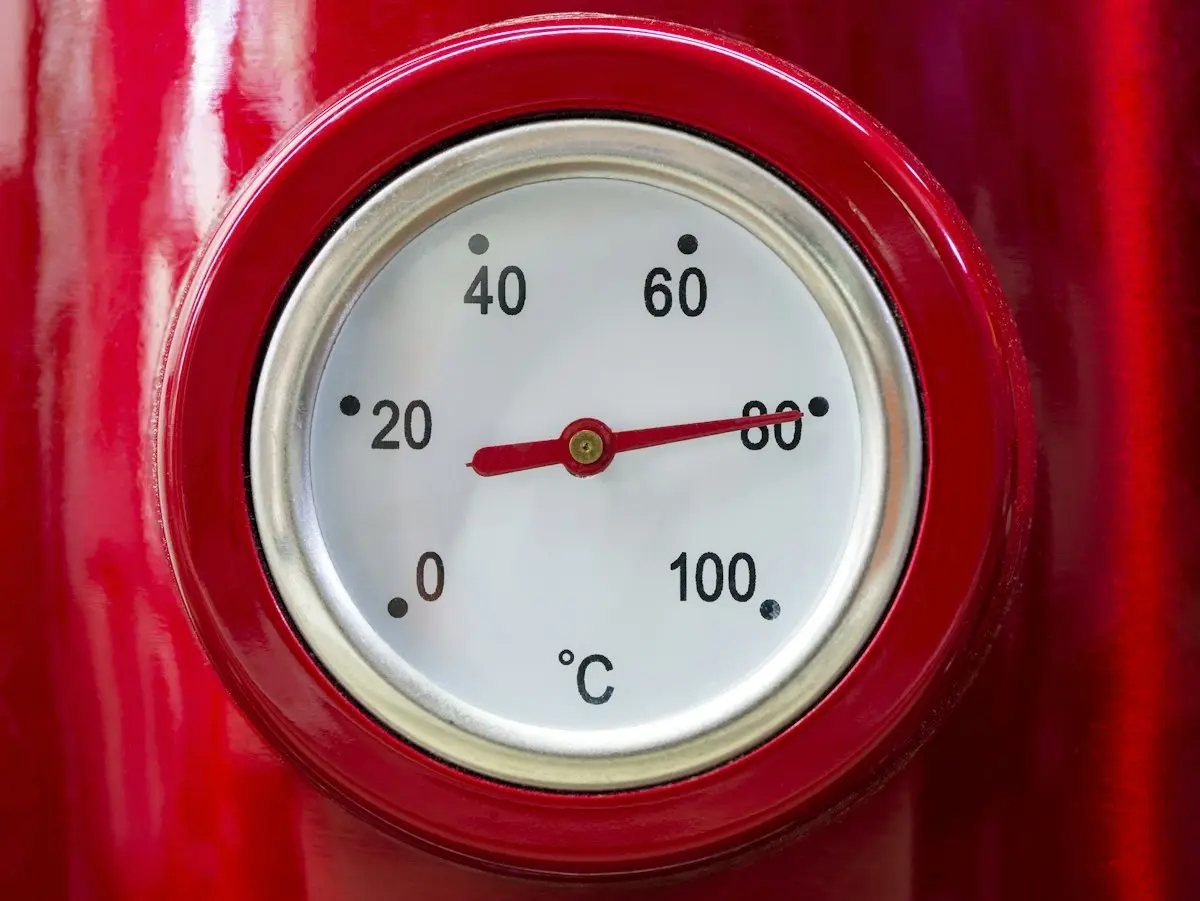
Before anything else, check the thermostat. It should be set to heat, with the target temperature at least five degrees above the room temperature, and the fan set to auto rather than on. A thermostat left on cool after summer, dead batteries, or a program that was never switched over for winter accounts for a surprising share of our no-heat calls. If the display is blank, replace the batteries and check the breaker for the furnace circuit.
Check Power and the Breaker
A furnace needs power to run its blower, ignitor, and control board. Find the furnace breaker in your panel and the power switch near the unit itself — it looks like a light switch and is sometimes turned off during summer cleaning. Reset a tripped breaker once. If it trips again immediately, leave it off: repeated trips point to a short or a failing motor, and forcing the system on can cause more damage.
Look at the Filter
A clogged filter is the single most common mechanical cause of a furnace not heating. When airflow is restricted, the heat exchanger overheats and the high-limit switch shuts the furnace down to protect it. Hold the filter up to a light — if you cannot see light through it, replace it. In Houston, filters load up fast with dust and pollen, and a filter that survived the whole summer is often already done before winter starts.
Ignition and Flame Sensor Problems
If the furnace tries to start — you hear the blower or a click — but no heat follows, the ignition system is the likely culprit. Modern furnaces use a hot-surface ignitor that glows to light the gas; after a long idle summer these often crack on the first cold start. A related fault is the flame sensor: the burner lights, then shuts off within seconds because the sensor cannot prove a flame. Both are quick same-visit repairs for a stocked truck.
Gas Supply and Gas Valve
On a gas furnace, no gas means no heat. Check that the gas valve near the furnace is open and that other gas appliances in the home are working. If you smell gas at any point, do not relight anything — leave the home and call your gas utility from outside. A gas valve that will not open, or a burner that will not stay lit, needs a licensed technician: gas work is not a do-it-yourself job.
When to Call a Technician
Call us if the furnace will not start after the basic checks, if it short-cycles, if you hear a boom on startup, or if the carbon monoxide alarm sounds. Our dispatch line is answered 24/7 with an average dispatch of about 35 minutes across Houston, and the diagnostic is free when you proceed with the repair. A no-heat call during a cold front is treated as an emergency, not a next-week appointment.
The Bottom Line
A furnace that will not heat is usually telling you something simple — a filter, a thermostat setting, or a worn ignitor. Work through the safe checks in this guide, and call a technician the moment you hit anything involving gas, a boom on startup, or a carbon monoxide alarm. Houston's cold fronts arrive fast and every heating company is busy within hours, so the cheapest time to fix a furnace is before you actually need it. Our line is answered 24/7 at (281) 549-0799, the diagnostic is free with the repair, and most no-heat calls are fixed on the same visit.
What a Technician Checks on a No-Heat Visit
When our technician arrives for a no-heat call, the diagnosis follows a fixed order so nothing is missed. First the thermostat and power supply are verified, because the simplest causes are also the most common. Then the ignitor is tested with a meter — a visual check is not enough, since a cracked ignitor can look fine and still fail under load. The flame sensor is inspected and cleaned, the gas valve is tested for proper operation, and the blower is checked for airflow. Finally, the heat exchanger is inspected and a carbon monoxide reading is taken before the system is put back into service. The whole diagnostic usually takes less than half an hour, and because our trucks carry the common parts for all eight brands we service, most no-heat calls are finished on that same visit. You receive the written price before any part is fitted, and every repair carries a 1-year written warranty.
One more thing worth knowing: the first cold front of the season is the busiest night of the year for every heating company in Houston, and the wait for a technician is longest exactly when the most furnaces fail. If your furnace showed any hesitation last winter — slow to start, a new noise, rooms that never quite warmed up — do not wait for the first front to test it again. A diagnostic visit in October costs the same as one in January, but it happens on your schedule, with time to order a part if one is needed. And if the furnace is over fifteen years old and has needed more than one repair in the past two seasons, ask the technician for an honest repair-versus-replace assessment while there is still time to decide calmly.
At a Glance
| Symptom | Likely Cause | What to Do |
|---|---|---|
| Furnace will not start at all | Thermostat, power, or ignitor | Check settings, breaker, and switch; then call us |
| Runs but blows cold air | Clogged filter or failed ignitor | Replace the filter; if still cold, book a visit |
| Lights, then shuts off in seconds | Dirty flame sensor | Needs cleaning or replacement by a technician |
| Boom on startup | Delayed ignition | Switch off and call the same day |
| CO alarm sounding | Exhaust or exchanger fault | Leave the home and call 911 |
Frequently Asked Questions
The most common causes are a clogged filter, a failed ignitor, or a thermostat problem. Check the filter and thermostat first, then call a technician if the problem continues.
If you smell gas, no — leave the home and call your gas utility. If there is no gas smell and your furnace has a standing pilot, follow the manufacturer instructions printed on the unit, or call us for help.
Our average dispatch across Houston is about 35 minutes, 24/7, and most no-heat causes are fixed on the same visit from a stocked truck.
Not always, but a furnace that booms on startup or trips a carbon monoxide alarm should be switched off immediately and checked the same day.
Minor repairs typically run $150–$450, moderate repairs $450–$1,200, and major repairs $1,200–$2,800. You get a written price before any work begins.
Service Area
Same-day heating and AC service across the Houston metro, 24/7. If you need help with your furnace or heat pump, a stocked truck is already nearby.
We dispatch across Houston, TX, including ZIP codes 77002, 77003, 77004, 77005, 77006, 77007, 77008, 77009, 77019, 77027, 77056, 77057, 77063, 77077, 77079, 77080, 77081, 77082, 77084, 77090, 77095, 77098, 77099. Call (281) 549-0799 and we will route the nearest available technician to your door.
Not sure which way to go for your system?
Call (281) 549-0799 for an honest assessment