Prepare Your Furnace for Winter: A Houston Homeowner's Checklist
Houston winters are short, but they are sharp — and they expose every weakness in a furnace that has sat idle since March. The good news is that almost all of it is preventable with an hour of preparation in October. This checklist covers the steps in order: the test run, the filter, the thermostat, the carbon monoxide detector, the tune-up, and the freeze protection that Houston's hard freezes demand.
Step 1: Test the Heat in October
Run the furnace for thirty minutes on a mild October day, before you actually need it. A brief burning dust smell that clears within ten minutes is normal — it is dust burning off the heat exchanger after months idle. A furnace that will not start, blows cold air, or makes a banging noise is a repair, and October is the cheapest month of the year to fix it, before every heating company in the city is booked solid.
Step 2: Fit a Fresh Filter
Start the season with a clean filter. A filter that survived the whole summer of AC use is already restricting airflow, and restricted airflow is the top cause of winter furnace shutdowns. Hold the old filter up to a light: if you cannot see light through it, it is done. Check the size printed on the old filter's edge, and keep a spare by the furnace so the next change actually happens.
Step 3: Check the Thermostat and Detector
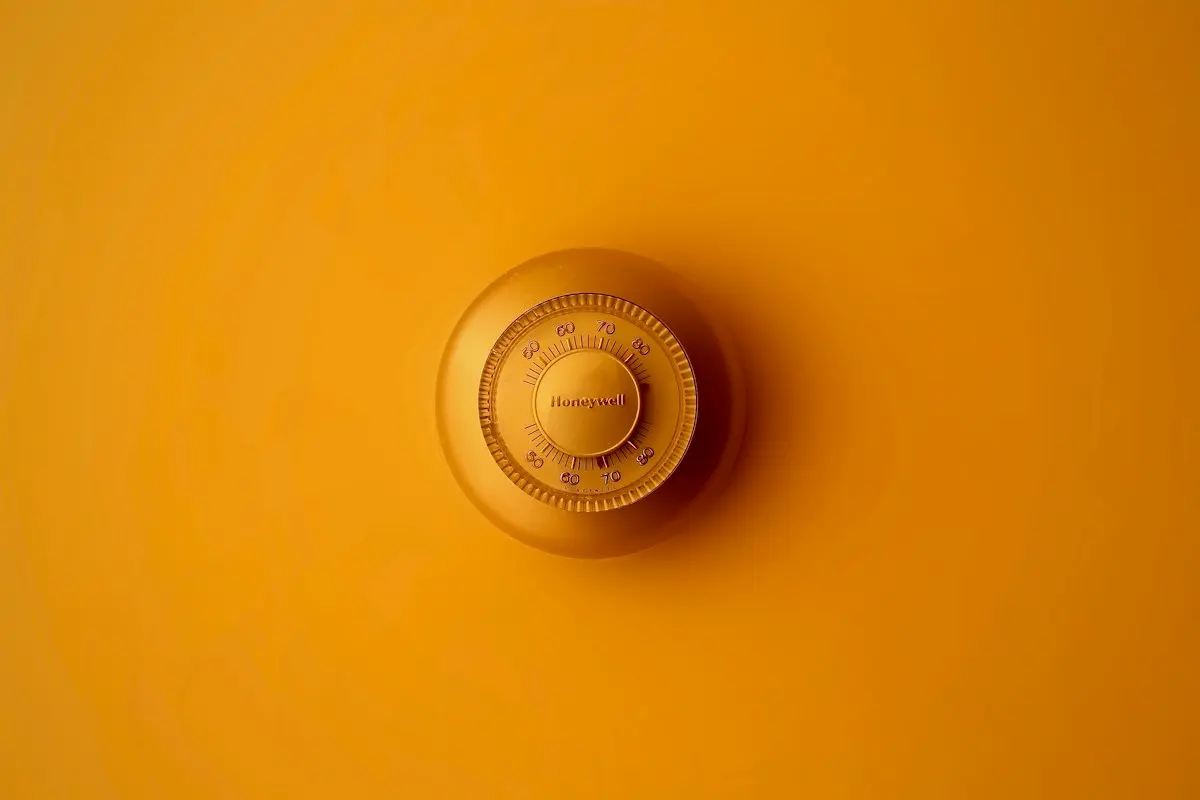
Switch the thermostat to heat, set it five degrees above the room temperature, and confirm the furnace starts and the air warms up. Replace thermostat batteries if the display is dim. Then press the test button on your carbon monoxide detector, check its manufacture date, and replace any detector over seven years old. Every home with a gas furnace needs a working detector near the bedrooms.
Step 4: Book a Pre-Winter Tune-Up
A tune-up is a full safety and performance inspection: ignitor and flame sensor tested, heat exchanger inspected for cracks, safety controls verified, burners cleaned, and carbon monoxide readings recorded. It takes about an hour and it catches the parts that fail on the first cold night — a weakening ignitor, a dirty flame sensor — while there is still time to fix them on your schedule instead of at midnight in January.
Step 5: Clear the Area and Check Vents
Clear boxes, paint, and stored chemicals away from the furnace — it needs air and it is a bad neighbour for flammables. Walk through the house and open any vents that were closed for summer, and make sure furniture is not blocking the return air grille. A furnace cannot heat rooms it cannot reach, and closed vents unbalance the whole system.
Step 6: Freeze Protection for Houston Winters
Houston's hard freezes are rare but they are the ones that burst pipes. Insulate exposed pipes in the attic, garage, and exterior walls, and know where your main water shutoff valve is before you need it. During a freeze, keep the thermostat at 55 degrees or higher — even if you leave town — open cabinet doors under sinks on exterior walls, and let faucets drip slightly. If a pipe does freeze, shut the water off and call a professional.
The Bottom Line
Winter preparation is an hour in October that saves a midnight emergency in January. Test the heat, fit a fresh filter, check the thermostat and the carbon monoxide detector, book a tune-up, clear the vents, and insulate the exposed pipes — and your furnace will be ready for whatever the next cold front brings. If the test run reveals a problem, fix it now while appointments are easy to get and repairs are at their cheapest. To book a pre-winter tune-up or a carbon monoxide test anywhere in Houston, call (281) 549-0799. Our line is answered 24/7 and the diagnostic is free with any repair.
If You Missed October: Late-Season Preparation
Life gets busy, and plenty of Houston homeowners reach December with the furnace still untested. Late preparation is still far better than none. Start with the same test run: switch the thermostat to heat, set it five degrees above room temperature, and let the system run for thirty minutes. Fit a fresh filter immediately — a filter that survived the summer is the most likely cause of a mid-winter shutdown. Test the carbon monoxide detector the same day, and replace it if it is over seven years old or fails the test. Then book a tune-up even in December or January: heating companies are busier, but a tune-up slot is still easier to get than an emergency repair on the coldest night of the year. Finally, insulate any exposed pipes you can reach and locate the main water shutoff, so a hard freeze never catches you unprepared. A furnace that has been checked late is still a furnace that will start when the next front arrives.
Keep the written report from your tune-up somewhere safe, because it is useful long after the visit. It records the carbon monoxide readings, the condition of the heat exchanger, and any parts that are wearing out, which means next year's technician can compare readings instead of starting from scratch. It is also useful if you sell the home: buyers and inspectors like to see a maintained furnace with a paper trail. And if the report flags a part that will need replacing within a year or two, you can plan and budget for it on your own schedule, rather than discovering it on the coldest night of the year. Preparation is not just about this winter — it is about every winter your furnace has left.
At a Glance
| Checklist Step | When | Why It Matters |
|---|---|---|
| Test-run the furnace | October | Finds failures while repairs are cheap and fast |
| Fresh filter | October, then monthly | Restricted airflow is the top winter failure cause |
| Thermostat + CO detector | October | Confirms heat works and safety alarms are live |
| Pre-winter tune-up | October–November | Catches ignitor, sensor, and exchanger problems early |
| Clear vents and furnace area | October | Blocked airflow unbalances the whole system |
| Insulate exposed pipes | Before first freeze | Prevents burst pipes during hard freezes |
Frequently Asked Questions
October is ideal — after the last hot days and before the first cold front. Once the first front is forecast, every heating company in the city is booked solid.
A brief dust-burning smell that clears within ten minutes is normal. A persistent smell, or any gas smell, means switch the furnace off and call a professional.
Yes — an annual tune-up catches wear before it becomes a breakdown, keeps the warranty valid on many systems, and includes the carbon monoxide check your family relies on.
At least 55 degrees, so pipes do not freeze while you are away. It costs far less than a single burst pipe.
The filter, thermostat, and test run are easy DIY steps. The tune-up, heat exchanger inspection, and CO testing need a trained technician with the right instruments.
Service Area
Same-day heating and AC service across the Houston metro, 24/7. If you need help with your furnace or heat pump, a stocked truck is already nearby.
We dispatch across Houston, TX, including ZIP codes 77002, 77003, 77004, 77005, 77006, 77007, 77008, 77009, 77019, 77027, 77056, 77057, 77063, 77077, 77079, 77080, 77081, 77082, 77084, 77090, 77095, 77098, 77099. Call (281) 549-0799 and we will route the nearest available technician to your door.
Not sure which way to go for your system?
Call (281) 549-0799 for an honest assessment